
Sense of Place
35mm black and white film, Enlarged on fiber paper, 2023
Sense of Place is a concept used in human geography and human ecology to understand the ways people interact with their environments and communities. The main idea is that specific locations are more than just their physical features; all places have meaning attached to them through the experiences of the people who occupy them. As I’m finishing my first year of grad school, my courses have required me to reflect on my upbringing and past experiences. I grew up in New Rochelle and am currently living in and navigating the same spaces from my childhood. I believe that, especially since I want to be a teacher at my old high school, it’s important for me to look closely at my relationship with these spaces and, to an extent, my local community.
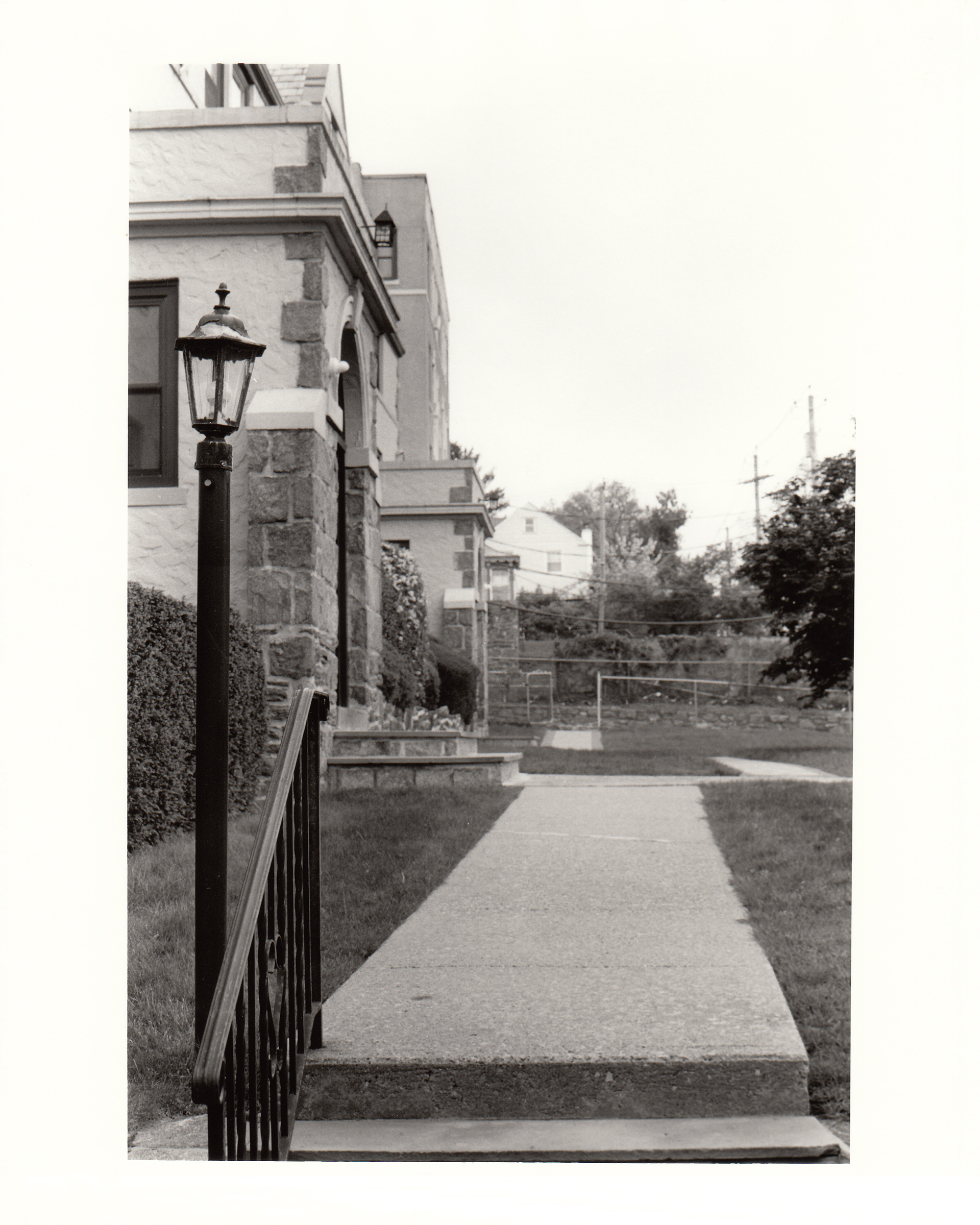
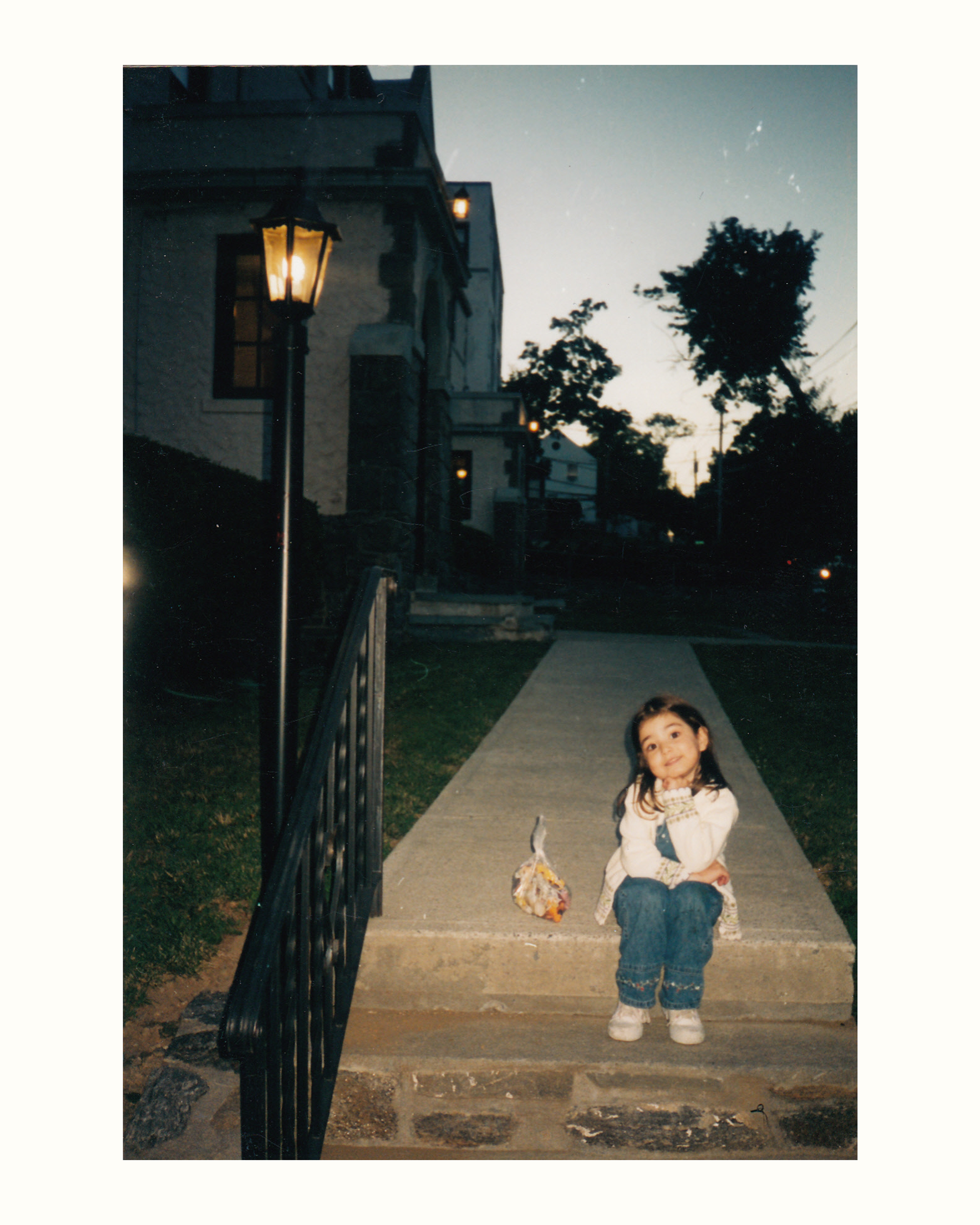
The idea for this project first came about as I was looking through old photographs of me and my family that were taken roughly between 1998 and 2004. It was when I looked closely at the backgrounds of these images that I started to realize how I can pinpoint exactly where they were taken. My parents used colored film for these photos and I thought it would be fun to recreate some of the photographs using my black and white film. Conceptually, as I was shooting, I was thinking about how these spaces have changed very little but the person in the photos, my baby self, isn’t present in the same way. Because that version of myself doesn’t exist anymore, she doesn’t exist in my photographs either. At first, I wanted to evoke that feeling of emptiness or of something missing in my images. However, recreating the exact compositions was much more challenging and much less fulfilling than I anticipated.
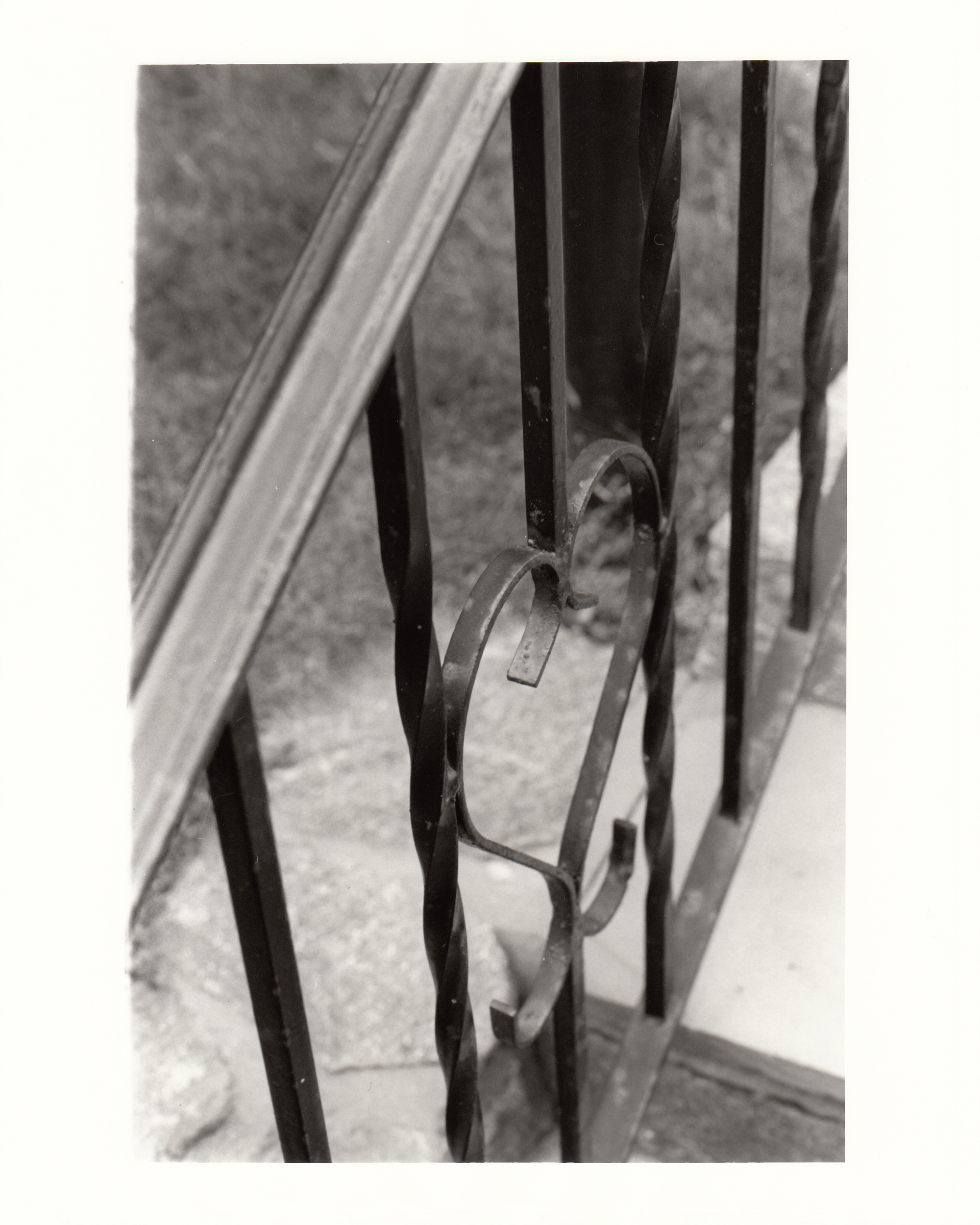
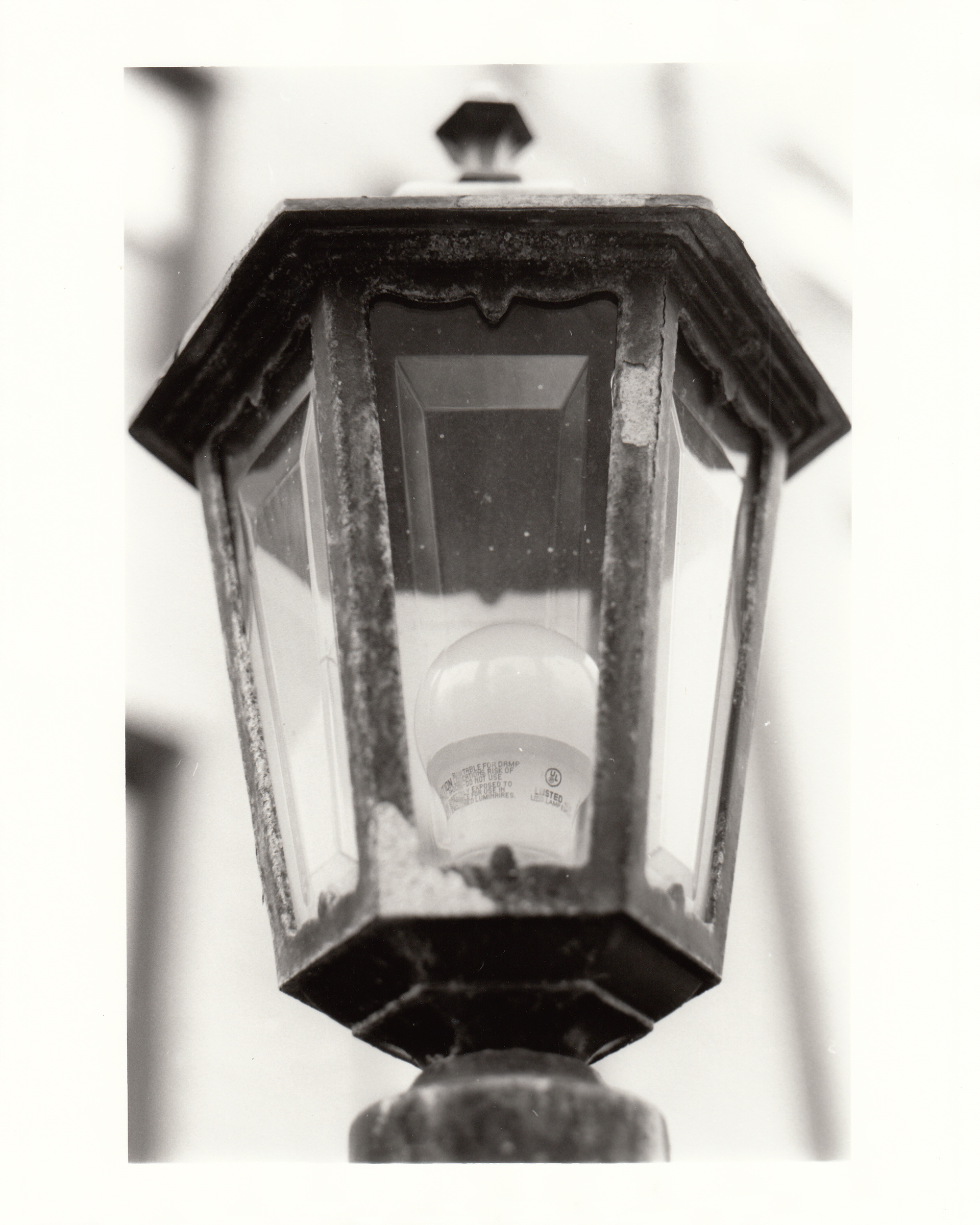
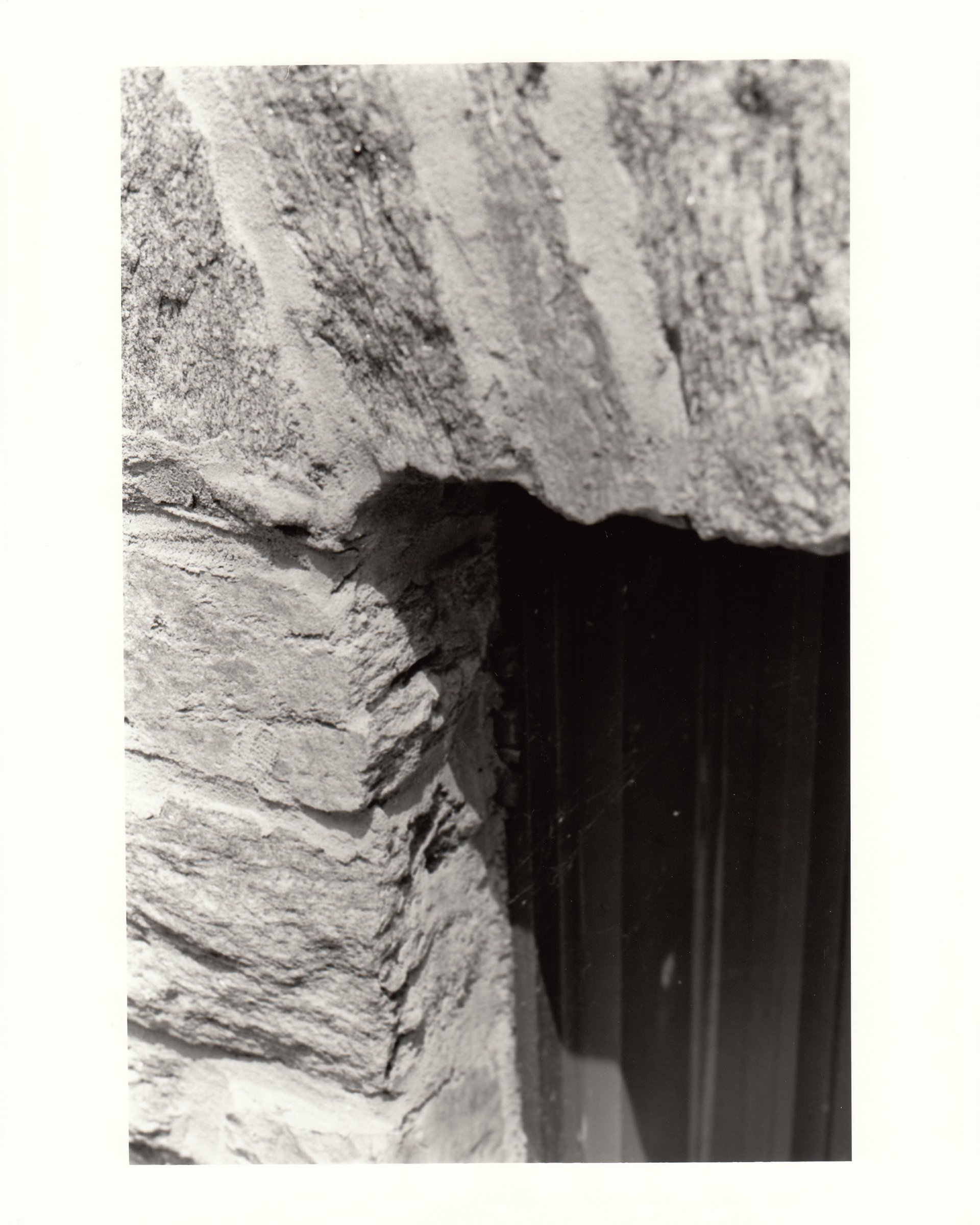
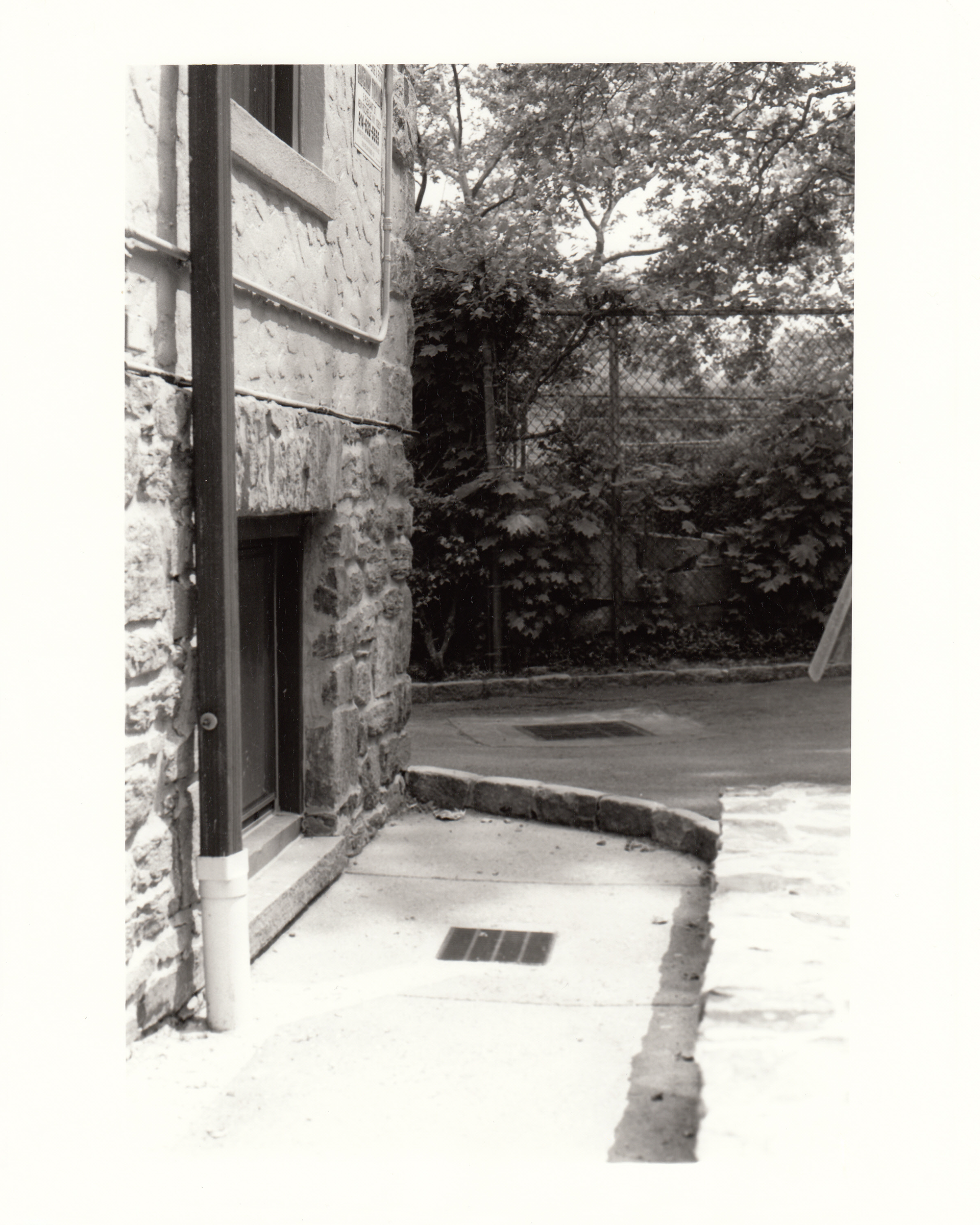
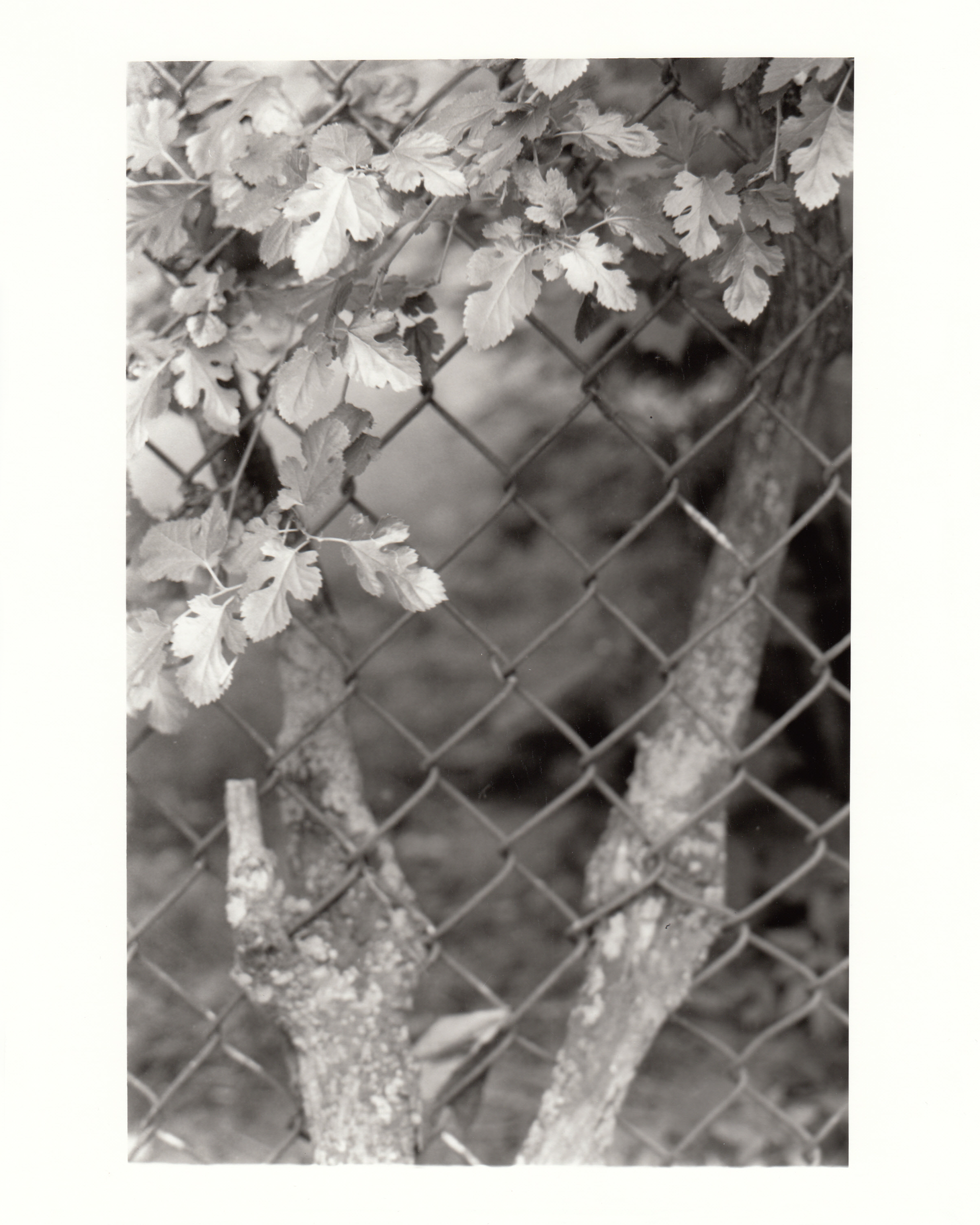
As I worked, I strived to create photographs that could be presented individually, without the need for any accompaniment, whether it be this artist's statement or my baby pictures. Originally, I also envisioned this body of work to consist only of wide shots, but for some locations, the emptiness felt unintentional. I at least wanted these images to stand on their own aesthetically because, without me in the frame, some of the compositions were frankly uninteresting. If my images communicated emptiness, I wanted that to feel intentional. Perhaps I became uncomfortable with that emptiness. The more I worked, the more I strayed from the baby photos, using them more as a conceptual influence, rather than a compositional one, as I had originally sought to do.
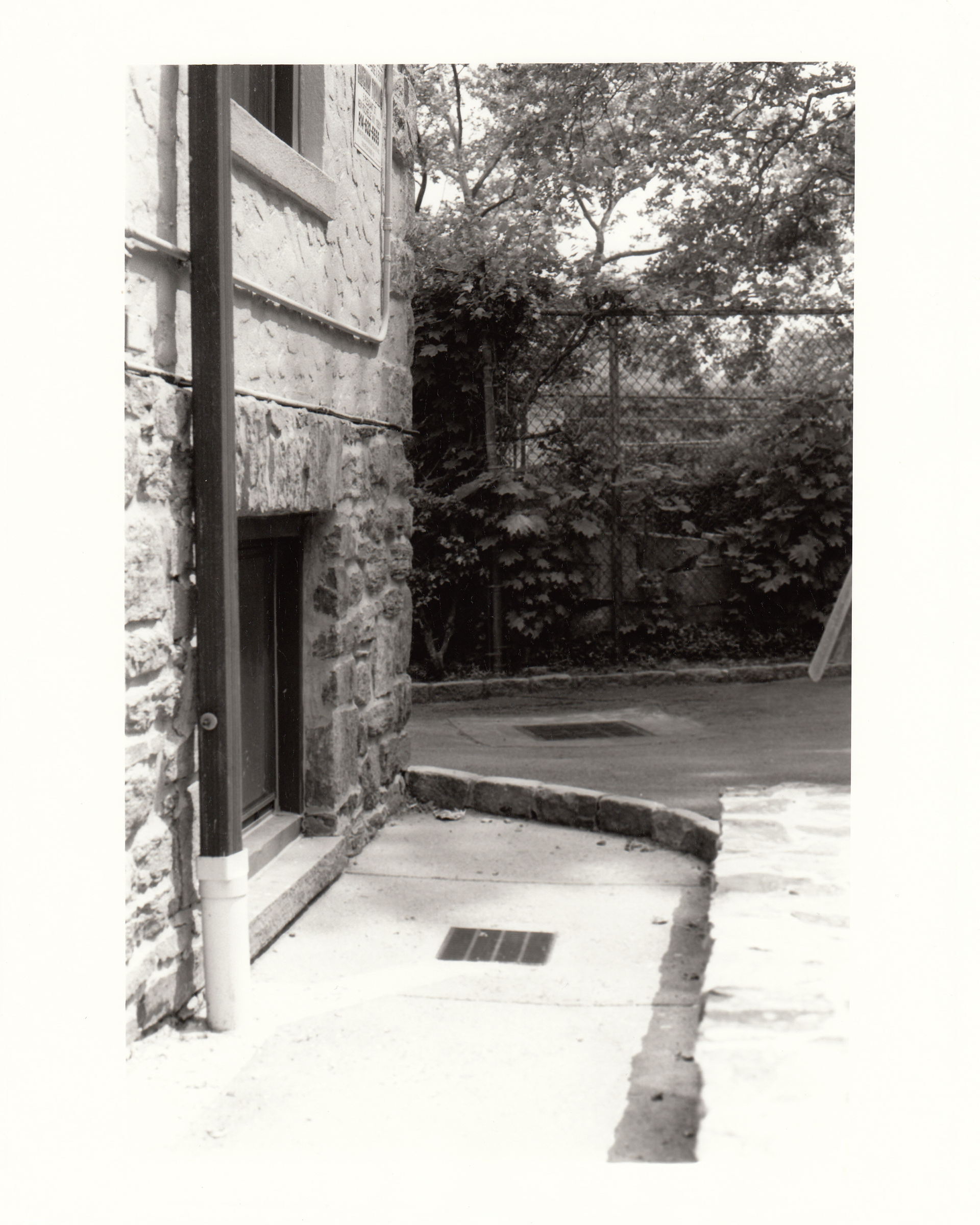
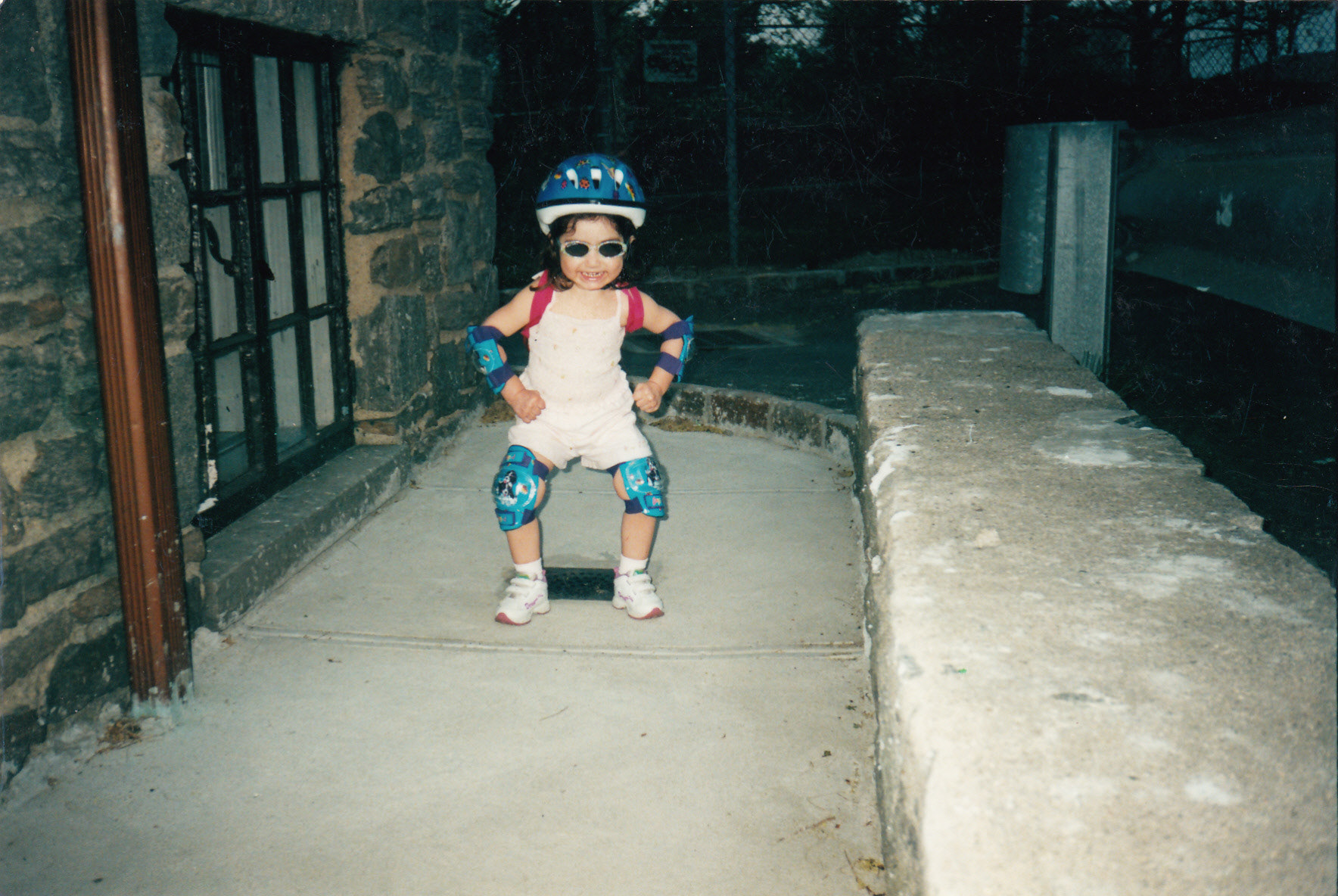
I ended up creating two triptychs, each consisting of a single wide shot and two close-ups found within it. All the photos were taken vertically to challenge myself compositionally and to evoke the initial idea of presenting these images as portraits of an unseen person. The first wide shot of the steps is a location my parents used often to take photographs of me on my way to school, for example, or on our way back from church. The second wide shot is from the back of the same building. I associate this space with going to the park because we would only ever use the back door to bring our bikes out. Both spaces represent memories of transitions or journeys. The paths themselves evoke the sense that the viewer is being led somewhere, but is absorbing the environment before moving forward, capturing small details of the location and creating a sense of place. The close-ups are of details that I remember paying close attention to as a child. With them, I wanted to explore whether I still find those details interesting; can my audience perceive them with that same awe and admiration? Through the creative process of this series, I certainly developed a greater appreciation for these spaces.